Author

Clare Louise

Browsing

Business selling cannot be a one day decision. Planning, timing, and clean numbers are required in order to have the best deal. When you rely on a reputable marketplace, you are able to compare the demand on buyers, the activity with listing, and the trends in the deals, and then proceed with it.

Understanding how to sell a small business

The importance of timing when buyers are shopping

Buyers seek ready to run businesses online, and when they do so, they seek businesses. They like to have predictable revenue, easy operations, and evidence that the business is operating. Timing can assist you in fulfilling those expectations with reduced negotiations. You could still receive interests in case you list at the wrong time. The offers can, however, be lower, and the buyers can demand further discounts or seller financing.

Best time to sell a small business profitably

The most appropriate period to sell a small business at a profit is when a business has stable cash flows, clean financial records, as well as high buyer demand. This instills confidence in buyers and facilitates your listing to shine in such markets as bizop.org. This is important since at the wrong time of the year, selling can be pressurized to give discounts. The right time will offer you greater offers and better terms on the deals.

Signs you are ready to sell

In case you are uncertain whether this is the right moment, do a first time check of the business preparation. A buyer ready business is one that has more serious leads. It also enables you to negotiate stress free.

The following are the shopping style indicators that buyers seek.

  • Stable revenue trends: A constant flow of income will make your business appear safer to purchase and help the buyer to rationalize the price.
  • Clean financial records: Clean profit and loss statements will ensure that the buyer will not have any doubts, and due diligence will seem to be easy.
  • Strong owner separation: A business that you run on a daily basis appears to be more valuable and easier to inherit.
  • Repeat customers or demand: This is through regular customer activity, indicating that the business is not depending upon one time sales.
  • Easy to explain operations: When the shopping process is uncomplicated, buyers will be able to shop at a speed..

What makes the timing profitable for sellers

Profitable timing means being leveraged. When your figures are healthy, and your customers are on the go, you are able to make better terms. You are also able to draw in a greater number of competing buyers. This is aimed at enumerating when your business makes a smart deal and not a risky project.

  • Higher buyer interest: More active buyers enhance competitiveness and help you to get multiple offers.
  • Better valuation strength: Good profits and growth leave you with a strong pricing power in a negotiation.
  • Faster closing speed: A business that is ready closes more quickly since less problem is revealed in the course of the review.

Conclusion

When your business appears to be stable, well documented, and easy to take over by buyers, this is the most appropriate time to sell a small business that will be profitably made. Adopt a checklist method, create neat figures, and make it easy to compare. Have your actions straight, papers, and time on your side.

The world of investing has become increasingly accessible thanks to the rise of online mobile trading. No longer do you need to be glued to a desktop computer to manage your portfolio. Mobile trading apps offer the convenience of buying and selling stocks, options, and other financial instruments from the palm of your hand, anytime, anywhere. But this convenience also raises a crucial question: Is online mobile trading safe? While mobile trading offers undeniable advantages, it’s essential to understand the potential security risks involved and take proactive steps to protect your investments.

Potential Security Risks in Online Mobile Trading

Just like any online activity, mobile trading is susceptible to various security threats. Being aware of these risks is the first line of defense.

  • Data Breaches: Unfortunately, data breaches happen. If a brokerage firm’s systems are compromised, your sensitive financial information, including account numbers, transaction history, and even your social security number, could be exposed.
  • Phishing and Social Engineering: Scammers are constantly devising new ways to trick people. Phishing emails, SMS messages, or even phone calls can be used to impersonate legitimate institutions and lure you into revealing your login credentials or other sensitive data.
  • Malware: Malicious software, or malware, can infect your mobile device and steal financial data, intercept your communications, or even manipulate your trading apps.
  • Unsecured Wi-Fi Networks: Using public Wi-Fi networks for trading is a risky proposition. These networks are often unsecured, making it easier for hackers to intercept your data.
  • App Vulnerabilities: Even legitimate trading apps can have security vulnerabilities. Hackers might exploit these vulnerabilities to gain access to your account or steal your information.
  • Account Takeover: If your login credentials are compromised, hackers can take over your trading account and make unauthorized trades, potentially draining your funds.

Tips for Secure Online Mobile Trading

Fortunately, there are several steps you can take to mitigate these risks and ensure a safer mobile trading experience.

  • Strong Passwords and 2FA: This is fundamental. Use strong, unique passwords for your trading accounts and enable two-factor authentication (2FA) whenever possible. 2FA adds an extra layer of security by requiring a second verification method, such as a code sent to your phone, before granting access to your account.
  • Secure Networks: Avoid using public Wi-Fi for any financial transactions, including mobile trading. Stick to secure, private networks, such as your home Wi-Fi or your mobile data connection.
  • Reputable Apps: Only download mobile trading apps from official app stores, like the Apple App Store or Google Play Store. Be wary of downloading apps from unknown websites, as they may contain malware.
  • Device Security: Keep your mobile device updated with the latest security patches and install reputable antivirus software to protect it from malware.
  • Beware of Phishing: Be extremely cautious of any unsolicited emails, messages, or phone calls asking for your personal or financial information. Legitimate institutions will rarely ask for sensitive information via email or phone.
  • Monitor Account Activity: Regularly review your trading account statements and transaction history for any suspicious activity. Report any unauthorized transactions to your brokerage firm immediately.
  • Research Brokerage Firms: Before opening an account with a brokerage firm, research their security practices. Look for firms that offer features like data encryption, account activity alerts, and secure login procedures.
  • Understand Risk Management: Trading involves inherent risks. Develop a sound risk management strategy and never invest more than you can afford to lose.
  • Software Updates: Ensure that all your software, including your trading apps and operating system, are updated to the latest versions. These updates often include important security patches.

Conclusion

Online mobile trading offers unparalleled convenience and access to the financial markets. However, it’s crucial to acknowledge and address the potential security risks. By following the tips outlined above, you can significantly enhance the security of your mobile trading activities and protect your investments. Remember, proactive security practices are essential in the digital age. Do you have any other tips for secure mobile trading? Share them in the comments below!

If you’re a North Dallas resident, desiring to become a Certified Public Accountant is a dream of many. Hence, being a CPA in North Dallas, TX, means conducting different duties, such as auditing, tax preparation, and consulting US tax and accounting norms. The American Institute of Certified Public Accountants (AICPA) conducts this pivotal exam, which takes at least 7 months and needs a maximum of 1 year to complete. On the other hand, CA represents Chartered Accountants, and the Institute of Chartered Accountants of India (ICAI) conducts this exam, which takes 4-5 years to get the chartered accountancy degree. 

So, which profession is better, CA or CPA? When choosing an accounting profession, your dilemma in weighing the perks of two designations may seem startling. Irrespective of whether you’re wondering about the widespread importance of the CPA designation in Texas or the universal scope of the CA, comprehending the similarities and differences is vital in making the best decision. 

CPA vs. CA: Major Takeaways

Since both the designations are capable of handling significant financial transactions, they’re bound to offer advisory services and prepare financial statements. However, the major differences are their geographical focus, the routes to acquiring these certifications, and the administrative environments they specialize in. Below are the differences and resemblances between the two professions: 

  • Education & Certification – CPAs should obtain an undergraduate degree followed by the completion of 150 hours of coursework. Also, they need to pass the rigorous CPA exam and fulfill the particular work experience demanded by the authority. In contrast, Chartered Accountants are professionals in financial reporting, auditing, and prudent business advice for a universal audience. However, both designations call for the highest devotion to education, exam success, and thorough professional growth to obtain and sustain their qualifications. 
  • Salary Potential – CPAs earn a salary of approximately $116,456 in Texas, demonstrating their proficiency and specialized knowledge. On the other hand, the earnings of Chartered Accountants differ universally. In Texas, the average salary of a CA is $72,772 as of 2024. These figures demonstrate the solid demand for CPAs regarding their broadened skill set, including time management, technical & analytical abilities, problem-solving skills, and communication. 
  • Work Opportunities – CPAs specialize in US tax regulations and accounting norms, whereas CAs are professionals in financial report preparation and auditing for a universal audience. 
  • Client Representation – Both the designations, CPAs and CAs, are able to assist clients economically. In Texas, CPAs are the only ones permitted to evaluate accounting records and offer assurance solutions. 
  • Ethical Norms – Rigorous norms of conduct and ethical guidelines bind CPAs and CAs, guaranteeing the precision and security of their duties.
  • Career Scopes – CPAs are in high demand in Texas, with several scopes in corporate finance, public accounting, etc. On the other hand, CAs have the advantage of global career opportunities because of their universal certification. 

CPA vs. CA: Which Designation is Better?

Selecting between a CPA and a CA relies on one’s career objectives. If you intend to work internationally, mainly in the US, obtaining a CPA certification would be beneficial. In contrast, if your focus is on the Indian financial system, a CA degree would be the best choice. 

Conclusion

Opting between a CPA and a CA certification is a vital decision, and it must be aligned with your preferences and career goals. Both of the designations have distinct sets of pros & cons. However, if you’re into working internationally, choosing a CPA certification would be more appropriate. Conversely, if you would like to kick-start your audit practice in India, CA certification is mandatory. For your information, the CPA exam is more pricey compared to the CA exam. In a nutshell, CPAs and CAs will continue to be the cornerstones of global economics with their distinct potentials as the world of finance evolves.    

The financial markets are a pulsating universe of opportunities, where every millisecond can mean the difference between a significant gain and an abrupt loss. In the arena of high-frequency online trading, investors harness the power of advanced technology to execute a large number of trades at lightning speeds. While entailing its unique set of risks, this rapid-fire trading strategy also offers unprecedented rewards for those equipped with robust analytical tools, a disciplined trading plan, and a steadfast grip on their risk management protocols.

Amidst the dynamic world of online brokerage firms, precision in ranking the reliability and performance of these entities becomes imperative for the modern trader. A sterling example of such reliability can be seen through the roboforex ranking. This brokerage firm’s commitment to providing precise, swift, and dependable trading platforms aligns seamlessly with the prerequisites of high-frequency trading enthusiasts. It has garnered acknowledgment for its technical prowess and customer-centric approach, allowing traders to capitalize on market volatility securely and efficiently.

High-frequency trading (HFT) involves sophisticated algorithms that allow traders to move in and out of trading positions in fractions of a second. It’s a domain ruled by sheer speed, advanced computation, and the ability to interpret vast streams of data almost instantaneously. Rewards in this high-stakes venture manifest as profits derived from arbitrage opportunities, market inefficiencies, and capturing the spread between buy and sell orders. Precise timing aided by ultra-low latency networks propels traders to take advantage of minuscule price discrepancies that exist for mere moments.

However, with great speed comes significant exposure to risk. The rapidity of transactions in high-frequency trading means that losses can accumulate just as quickly as profits, if not managed properly. Market volatility can exacerbate this effect, leading to potential system overloads or flash crashes. Therefore, risk management is not just a component but the cornerstone of successful high-frequency trading strategies. Sustainable practices involve setting strict stop-loss orders, maintaining balanced leverage ratios, and continuously back-testing strategies against historical data.

A notable advantage in the terrain of high-frequency trading is access to comprehensive resources and expert insights that can help mitigate risks while enhancing potential rewards. A platform that exemplifies such valuable assistance is RoboForex. With meticulous attention to detail, it offers services designed for optimal performance in rapid trading environments. Those interested in leveraging RoboForex’s offerings are welcomed to peruse a detailed roboforex bonus review which dives into the nuances of their promotional incentives, further enriching the trading experience for both seasoned veterans and newcomers alike.

As traders navigate the vibrantly challenging ecosystem of high-frequency online trading, success often boils down to choosing the right allies in technology and brokerage services. A thorough understanding of market dynamics combined with cutting-edge tools and reliable platforms creates a formidable arsenal against the unpredictable tides of the financial markets.

Venturing into high-frequency online trading is akin to embarking on a thrilling technological odyssey through a constantly evolving financial landscape. The adept trader must balance risk and reward on the knife-edge of time, always vigilant and armed with information and innovation. In this vibrant quest for fiscal achievement, channels such as RoboForex provide essential support, ensuring that opportunities are grasped with both speed and intelligence – portraits of success framed within milliseconds of informed decision-making.


Small business grants in North Carolina are available from various sources, including government agencies, private organizations, and non-profits. These grants are typically aimed at promoting economic development, job creation, and the growth of small businesses in the state. The availability of grants can change over time, so it’s important to verify the current status and eligibility criteria for each grant. Here are some potential sources of grants for small businesses in North Carolina:

  1. North Carolina Department of Commerce: The North Carolina Department of Commerce offers various grant programs and incentives to support business growth in the state. These include programs like the North Carolina Rural Grants and Incentives Program, the One North Carolina Fund, and the Main Street Solutions Fund.
  2. Small Business and Technology Development Centers (SBTDCs): The SBTDC network in North Carolina provides resources, workshops, and one-on-one counseling to small businesses, including information on available grants and assistance with the application process.
  3. Federal Grants: Many federal agencies offer grant programs that small businesses in North Carolina can apply for. The U.S. Small Business Administration (SBA) provides information on federal grants and loans for small businesses.
  4. Local Economic Development Agencies: Many cities and counties in North Carolina have their own economic development agencies that offer grants and incentives to encourage business growth within their jurisdictions. Contact your local economic development office for information on available programs.
  5. North Carolina Department of Commerce Division of Workforce Solutions: The division offers grants and incentives for businesses to develop workforce training programs and support workforce development initiatives.
  6. Industry-Specific Grants: Depending on your business’s focus, there may be specialized grant programs available for your industry, such as agriculture, technology, or healthcare.
  7. Non-Profit Organizations and Foundations: Some non-profit organizations and private foundations in North Carolina offer grants and funding opportunities for small businesses, especially those involved in specific industries or community development projects.
  8. Business Plan Competitions: Various organizations and universities in North Carolina host business plan competitions with cash prizes or grant opportunities for winning business plans.

When seeking small business grants in North Carolina, it’s important to thoroughly research each program’s eligibility requirements, application procedures, and deadlines. Consider working with a Small Business and Technology Development Center or seeking assistance from business advisors to improve your chances of securing grant funding. Additionally, stay informed about local news and business resources to stay updated on grant opportunities that may become available. Check out www.thegrantportal.com for grant sources.

Creating a savings plan is crucial if you want to stay financially sound, especially in a country like Singapore, where the cost of living is high. A savings plan acts as your safety net and can help you overcome any financial challenges that come your way. It also allows you to achieve financial independence and reach your long-term goals without worrying about money. However, creating a savings plan can seem daunting and overwhelming, especially if you’re unsure where to start. This article will discuss creating an effective savings plan and getting your finances back on track in Singapore.

Determine your current financial situation

Determining your current financial situation is crucial in creating a savings plan. It involves taking a close look at your income, expenses, and any outstanding debts you have. Compile a comprehensive list of your various income sources, encompassing your salary and bonuses and any earnings derived from side hustles or additional ventures. Next, track your monthly expenses by reviewing your bank statements or using budgeting apps. It will give you an accurate understanding of where your money is going and how much you can save each month.

Once you have a clear picture of your income and expenses, it’s time to assess any outstanding debts, including credit card debt, loans, or any other liabilities. List down the total amount owed for each debt and the corresponding interest rates. It will help you prioritise which debts to pay off first.

Set realistic savings goals

After evaluating your current financial situation, setting realistic savings goals is next. These goals should be specific, measurable, and achievable within a particular timeframe. For example, you may want to save SGD10,000 in the next year for a down payment on a house or have six months’ worth of living expenses saved up for emergencies.

It’s also essential to prioritise your savings goals based on their importance. For instance, having an emergency fund should be a top priority before saving for luxury items or vacations. Consider any upcoming significant expenses, such as weddings or car purchases, when setting your savings goals.

Identify areas to cut back and save

Once you have set your savings goals, it’s time to identify areas where you can cut back and save. It may involve making sacrifices and changing your spending habits. For example, reduce eating out or buying expensive clothes instead of choosing home-cooked meals and affordable clothing options.

Reviewing your monthly expenses and seeing where you can make adjustments is also a good idea. For instance, consider switching to a more affordable phone plan or cancelling unused subscriptions. Being realistic and honest with yourself is crucial when identifying areas to cut back on.

Create a budget

Creating a budget is an essential step in creating a savings plan. Creating a budget allows you to effectively manage your income by allocating it towards various expenses and savings goals.

List all your monthly expenses and categorise them into essential and non-essential items. Noteworthy items include rent or mortgage, utility bills, groceries, etc., while non-essential items include entertainment, dining out, travel expenses, etc. Ensure that your essential expenses are covered first and allocate a realistic amount towards non-essential items.

It’s also crucial to factor in your savings goals as a monthly expense. It will help you prioritise and stick to your savings plan.

Choose the correct savings account

Choosing the correct savings account is crucial to potentially maximise your savings potential. Look for savings plans with competitive interest rates and no or minimal fees. Consider accounts that offer additional features, such as automatic transfers from your checking account or bonus interest rates for meeting specific requirements.

It’s also essential to consider the liquidity of the account and if there are any penalties for early withdrawals. Look for accounts with higher interest rates and fixed terms if you have a specific savings goal.

Investors looking for long-term savings may also consider investing in stocks, bonds, or real estate. However, thoroughly research and consult a financial advisor before making investment decisions.

Stick to your plan and review it regularly

Creating a savings plan is not a one-time task; it requires discipline and constant monitoring. Sticking to the plan is crucial once you have set your budget and identified areas to cut back on. It means avoiding unnecessary expenses and consistently saving towards your goals.

Regularly reviewing your savings plan is also crucial. Life circumstances may change, such as an increase in income or unexpected expenses, which may require adjustments to your savings plan. It’s essential to stay flexible and make changes when necessary to ensure your financial goals are achievable.


Whether it’s allocating a few cents to access informative news pieces or leaving modest gratuities across social media platforms, the paradigm of micro-payments is orchestrating a revolutionary shift in the dynamics of online value interchange. Central to this evolution is the ascendancy of virtual currencies and payment frameworks rooted in blockchain technology, which are assuming the pivotal role of facilitators for these diminutive yet impactful transactions. Cryptocurrencies like Bitcoin and Ethereum allow for fast, global transfers of value, down to tiny fractional amounts. These decentralized networks facilitate frictionless payments without middlemen. Platforms are now leveraging blockchain to enable tipping, donations, and pay-per-use models for digital content and services.

New micro-payment channels built on blockchain also enable off-chain transactions that are settled later on the underlying network. These state channel solutions, like the Lightning Network, allow for unlimited transactions with negligible fees at high speeds between two parties. This makes feasible real-time micropayments for usage-based services like video streaming. Traditional payment networks have also jumped into the fray, developing micro-payment capabilities on top of existing infrastructure. Visa acquired the company to enhance its cross-border payment channels. Mastercard launched Masterpass to streamline small cashless transactions under $10. And PayPal introduced micropayment functionalities to its digital wallet. These platforms leverage their scale, compliance mechanisms, and settlement reliability to lower barriers to micro-payment adoption.

New micro-payment processors are emerging to solve the challenge of collecting tiny sums of money across disparate global payment systems. Companies are providing platforms, APIs, and checkout tools to enable frictionless micro-transactions on websites and apps. These B2B solutions allow digital merchants to accept cross-border micro-payments from customers on flexible pay-as-you-go models. The gaming sector is one industry at the forefront of micro-payment innovation. Free-to-play mobile, console, and PC games are increasingly adopting in-game purchases for virtual items, add-ons, and upgrades. Platforms allow gamers to buy battle passes, skins, and currency in tiny increments. This ‘freemium’ model depends on the ability to charge small amounts repeatedly from customers. Startups like London-based SuperAwesome provide micro-payment APIs tailored to digital goods commerce for developers.

New micropayment programs are also emerging around content monetization online. Google Contributor allows users to pay a few dollars monthly to opt out of ads on sites. Blendle from the Netherlands lets readers pay per news article read, distributing micro-earnings to publishers. Facebook has experimented with allowing payments to unlock premium content from groups and influencers on its platform. Some tools allow content creators to put parts of an article or video behind a ‘metered paywall’ for incremental consumption. For any additional information you might need, check out this link https://www.moneylife365.com/.

The Internet of Things is yet another area where micro billing for connected devices is taking shape. Charging a few cents for each megabyte of data consumed, electric vehicle charged, or appliance used is made possible by automated micropayment technologies. Small cashless transactions serve to monetize attention and engagement across platforms. Seamless transactions at a granular level are changing user relationships with digital content, goods, and services.

Bitcoin, despite its importance, leaves traces of previous transactions, such as the recipient and sender of coins. This means that anyone who wants to can track you through this data.

When you buy bitcoins and transfer them to other addresses, these transactions become visible and completely transparent. Thus, anyone can find out who purchases bitcoins and where they are transferred. In this case, the services of bitcoin blenders may be useful.

Common misconceptions about bitcoin blenders debunked

Bitcoin blender, also known as “laundries” or “washing machines”, are resources used to remove traces of any transactions. They allow you to mix your coins with other users’ coins to make it difficult to track their origin.

Each cryptocurrency is relatively easy to trace to its owner. In addition, each bitcoin transaction is recorded in a publicly accessible blockchain, which makes it visible to everyone. Therefore, when you buy bitcoins and send them to other addresses, these transactions become visible and completely transparent.

How does a bitcoin blender protect your transaction history?

As a result, any user can track who buys bitcoins and where they are sent. Even law enforcement agencies use this information to detect illegal transactions with cryptocurrencies. Exchange platforms also monitor gambling and trading operations on the “Dark Internet”, since such sites can be used for money laundering.

The principle of operation of bitcoin blenders is that they have their own stock of cryptocurrency, which can be represented as a bitcoin chain. When you send your coins to the mixer, the service mixes them with other coins in the chain and sends you new coins from the beginning of the chain, thereby making it difficult to identify the origin of the coins. In the blockchain, you can track only the coins that go from your wallet to the address of the mixer, but not further.

Bitcoin blenders, unlike exchanges, do not require you to register or provide personal information, except for the recipient’s address. They also do not require proof of identity, but they certainly provide an opportunity to specify the recipient’s address.

You can set up time delays manually during the day. Some servers do not have such a wide range of delays.

Each set of coins can be divided into 8 parts and sent to different addresses with an additional commission. Bitcoin blenders make the process of cleaning coins simple and convenient for users.

The blenders work on offshore servers, which ensures the privacy of users. In addition, after confirming the transaction, you can delete your logs manually using a special link.

Bitcoin blenders charge a small commission for their services. This makes them an ideal option for users who require mixing large amounts of bitcoins.

The choice of a bitcoin mixer depends on you. Do not forget about using these services to increase your anonymity and provide additional protection for your data.

Introduction

Binary options are becoming more and more popular way of investing and Pocket Option is one of the best binary options trading platforms. In this article, we will look at how to start trading successfully on Pocket Option and give a quick overview of the steps.

Signing up for Pocket Option

The first step to successfully trading on Pocket Option is registration. The process is quite simple: just go to the Pocket Option website – https://revieweek.com/review/pocketoption/internet-site-pocketoption/,  click the “Register” button and fill out the form with your details. After confirming your registration via email, you will be able to login to your account and start exploring the platform.

Exploring the Platform

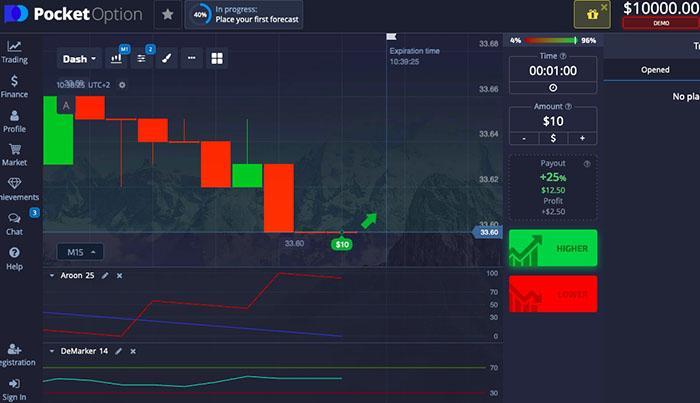
Before you start trading, it is important to study the platform. Pocket Option has an intuitive interface that is easy to learn. Check out the various features such as asset selection, elimination time setting and bet size selection. Also take a look at the various tools and indicators available on the platform that can help you in trading.

Opening a Demo Account

It is recommended to start by opening a demo account – https://revieweek.com/visit/pocketoption/. This is a free account with virtual funds that allows you to trade in real market conditions without risking real money. A demo account is a great way to practice, test different strategies and learn how the platform works before jumping into live trading.

Mastering Trading Strategies

To successfully trade binary options, you need to master some strategies. Pocket Option offers educational resources to help you with this. Check out the different strategies and methods, choose the ones that best suit your trading style and market conditions, and test them out on a demo account.

Transition to Trading on a Real Account

After you master the platform and strategies on a demo account, you can move on to trading on a real account. Remember that trading binary options is always risky and you should be prepared for the possibility of losing your funds.

Conclusion

Getting started trading binary options on Pocket Option is a quick and easy process, accessible to traders of all experience levels. With the help of this guide, you will be able to quickly start successful trading and possibly take your first steps towards financial success.

Regardless of whether you are intrigued about digesting them for future meals or want to understand further about the phases of their lives, there are a few distinctions between Dungeness crab and snow crab. Although each of these crabs is excellent and utilised in various ways in the food industry, how are they distinguished from each other as live animals? In this post, we will discuss all the distinctions between snow crabs and Dungeness crabs, covering their exterior characteristics and preferred environment. We shall also explore their mannerisms, differences, and typical wildlife spans. Also find more info about Dungeness Crab

Important distinctions between Snow crab and Dungeness crab

Size

For instance, Dungeness crabs often measure between two and three pounds, and snow crabs usually measure from three to four pounds. The physique of a snow crab, nonetheless, is often tinier than that of a Dungeness crab. Why, then, do snow crabs usually measure more than Dungeness crabs? This is probably because snow crab legs are significantly bigger than Dungeness crab legs. On the other hand, a Dungeness crab’s body typically measures 8 to 10 inches long, compared to a snow crab’s maximum growth size of 6 to 8 inches.

Environment and Setting

The geographic range and environmental choices of Dungeness crabs and snow crabs are very different. Dungeness crabs’ dwell in more temperate regions, frequently off the coast of California or England, while snow crabs can only be found in northern waters, including the Pacific and the Atlantic. In actuality, the Dungeness region of England is where Dungeness crabs were originally found, hence their name.  These types of crabs vary from each other in their preferred habitats. The Dungeness crab and snow crab both like to dig in muddy or sandy waters; however, the Dungeness crab may be found at far greater depths. Additionally, Dungeness crabs favour estuaries and shallow seas, while snow crabs often choose more rugged environments.

Appearance

You might find it hard to believe, but the Dungeness crab and snow crab can be distinguished from one another immediately. This is because the snow crab’s legs are significantly longer than a Dungeness crab’s legs. Furthermore, as these crabs get older, their colourations diverge from one another. Let us expand on this now.  Dungeness crabs are a rusty orange colour for most of their lives, in contrast to snow crabs, which are only orange or red when they are young. Dungeness crabs can also be purple, whereas snow crabs age to become olive-shaded or have darker markings. If you are looking for a decent, delicious snow crab, this is your sign.

Lifetime

The life expectancy of a Dungeness crab is typically between eight and thirteen years, but that of a snow crab is often between 15 and 20 years. Even though it is uncommon for either of these two types of crabs to survive longer than 5 to 7 years overall, there is a rather considerable longevity difference between these two crabs.